AI Agents vs. Agentic AI: The Simplest Explanation

Many people believe AI Agents and Agentic AI are two competing technologies. They are not. They represent different maturity levels of the same evolutionary path.
The Core Difference
AI Agent: The basic form. It is reactive.
Agentic AI: The advanced form. It is autonomous.
1. What is an AI Agent?
An AI Agent is a system that uses an LLM (Large Language Model) as its brain to understand input and perform a specific action.
The Flow: Input → Think → Action
Characteristics: It follows instructions but usually lacks long-term planning.
Examples: A customer support bot that looks up an order or a coding assistant that writes a single function.
2. What is Agentic AI?
Agentic AI is an evolution where the agent is given a goal rather than a set of tasks. It operates with a higher level of independence.
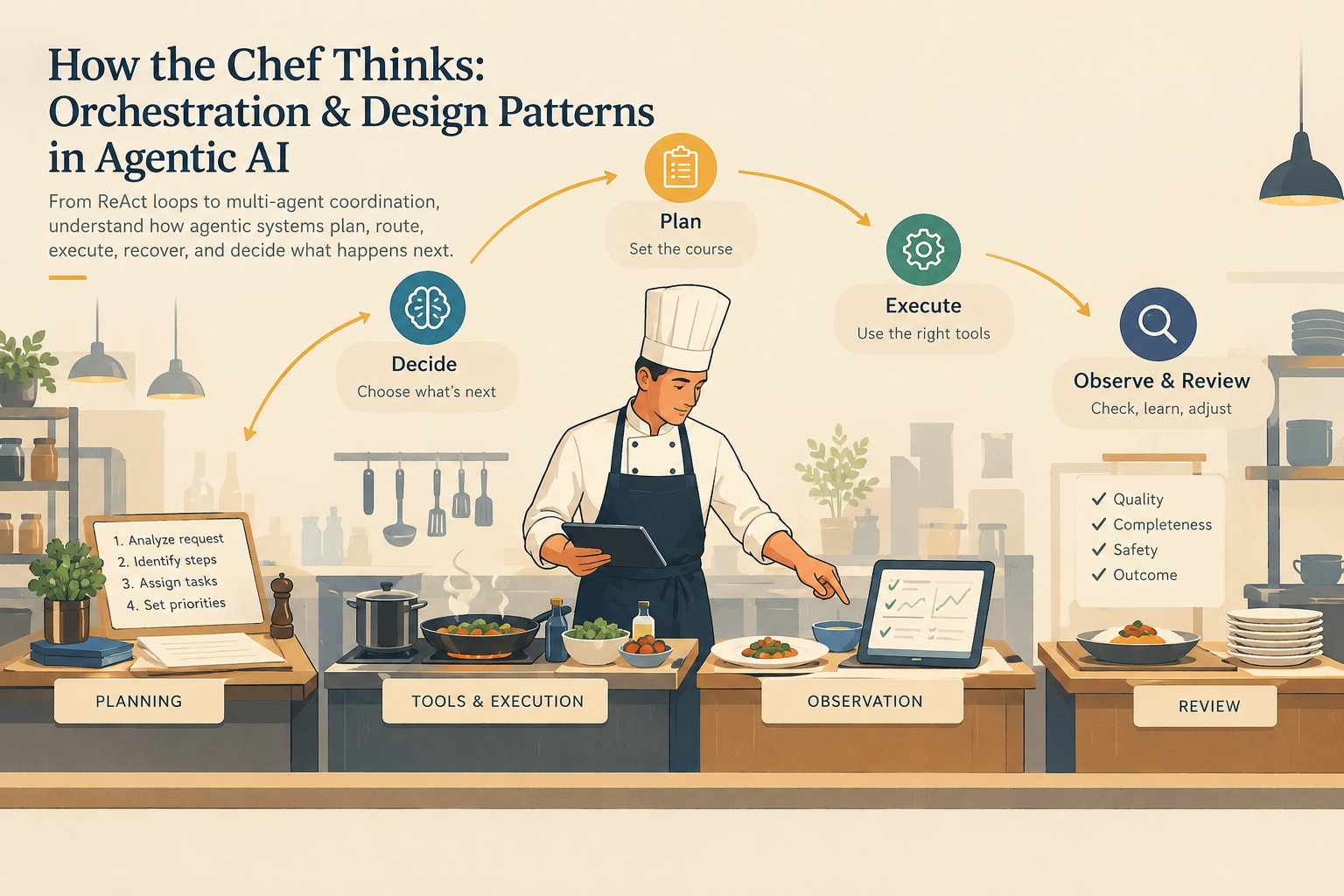
The Flow: Goal → Plan → Actions → Verify → Self-Correct → Final Result
Characteristics: It can break a complex goal into smaller steps, remember context across long workflows, and retry if a tool fails.
Example: Instead of just answering "How do I deploy this?", Agentic AI builds the app, runs the tests, scans for vulnerabilities, and deploys it automatically.
3. The Architecture: How they are built
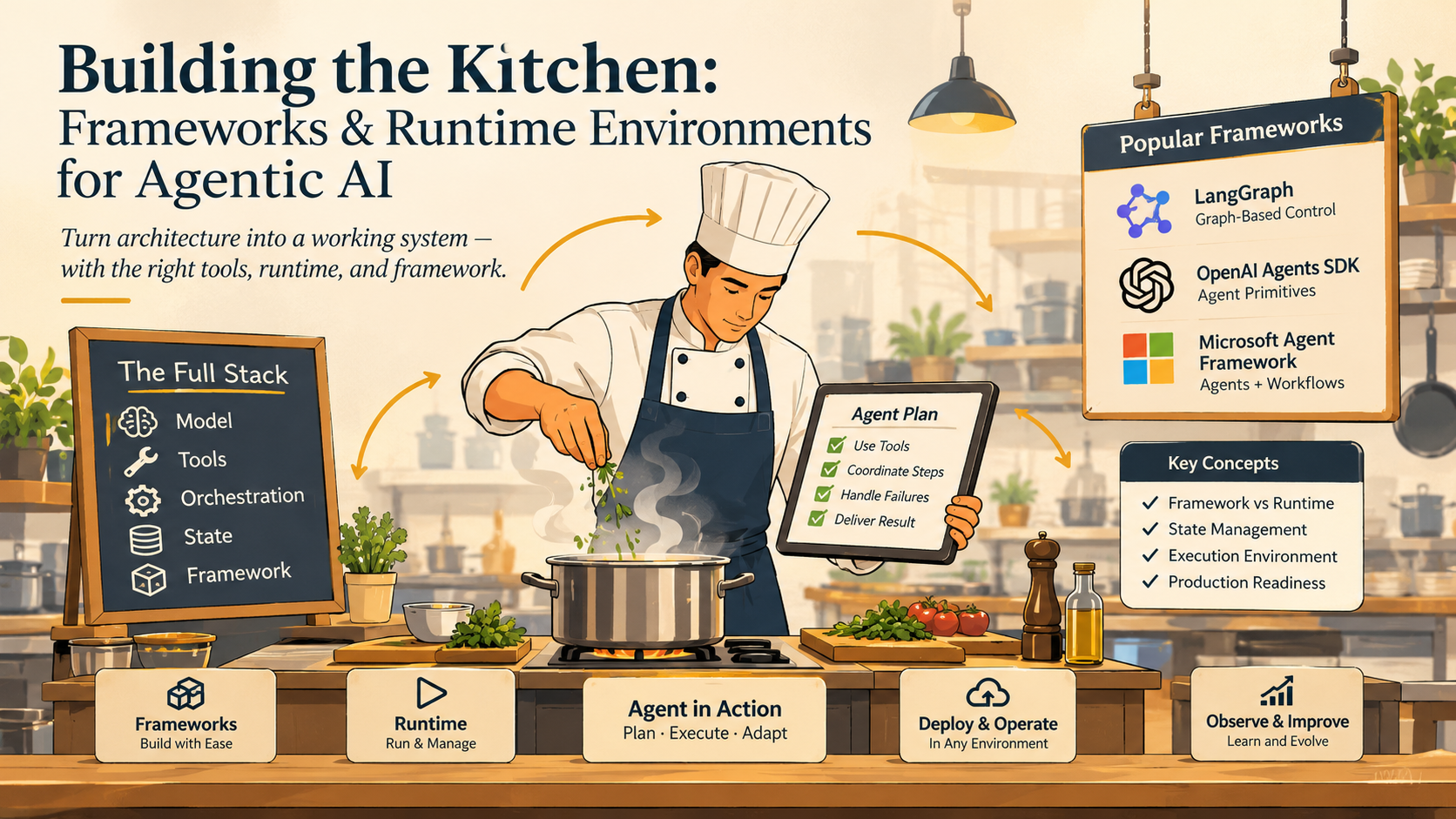
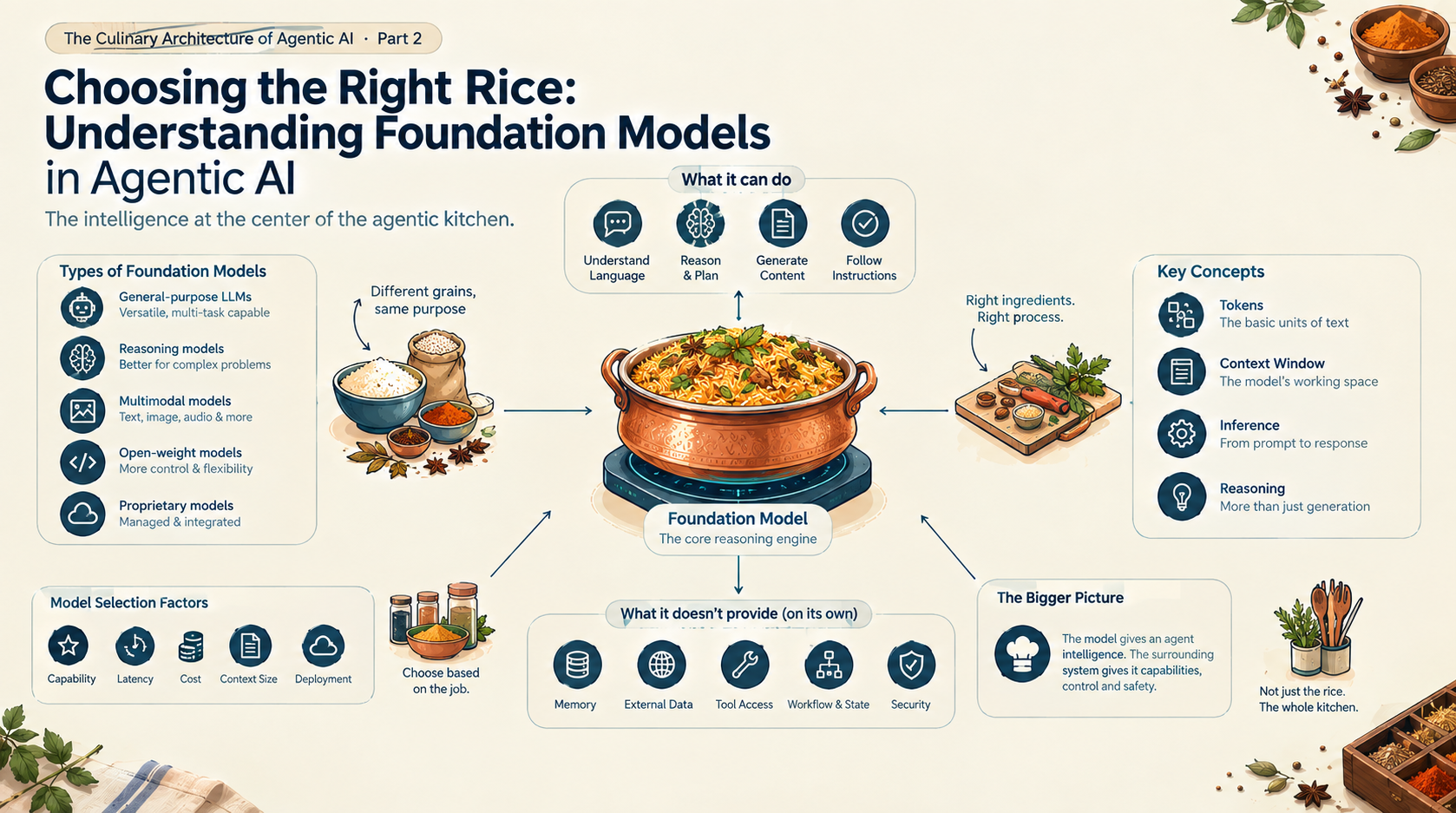
Most AI agents are not trained from scratch; they are engineered around existing models like GPT, Gemini, or Llama.
The Formula:
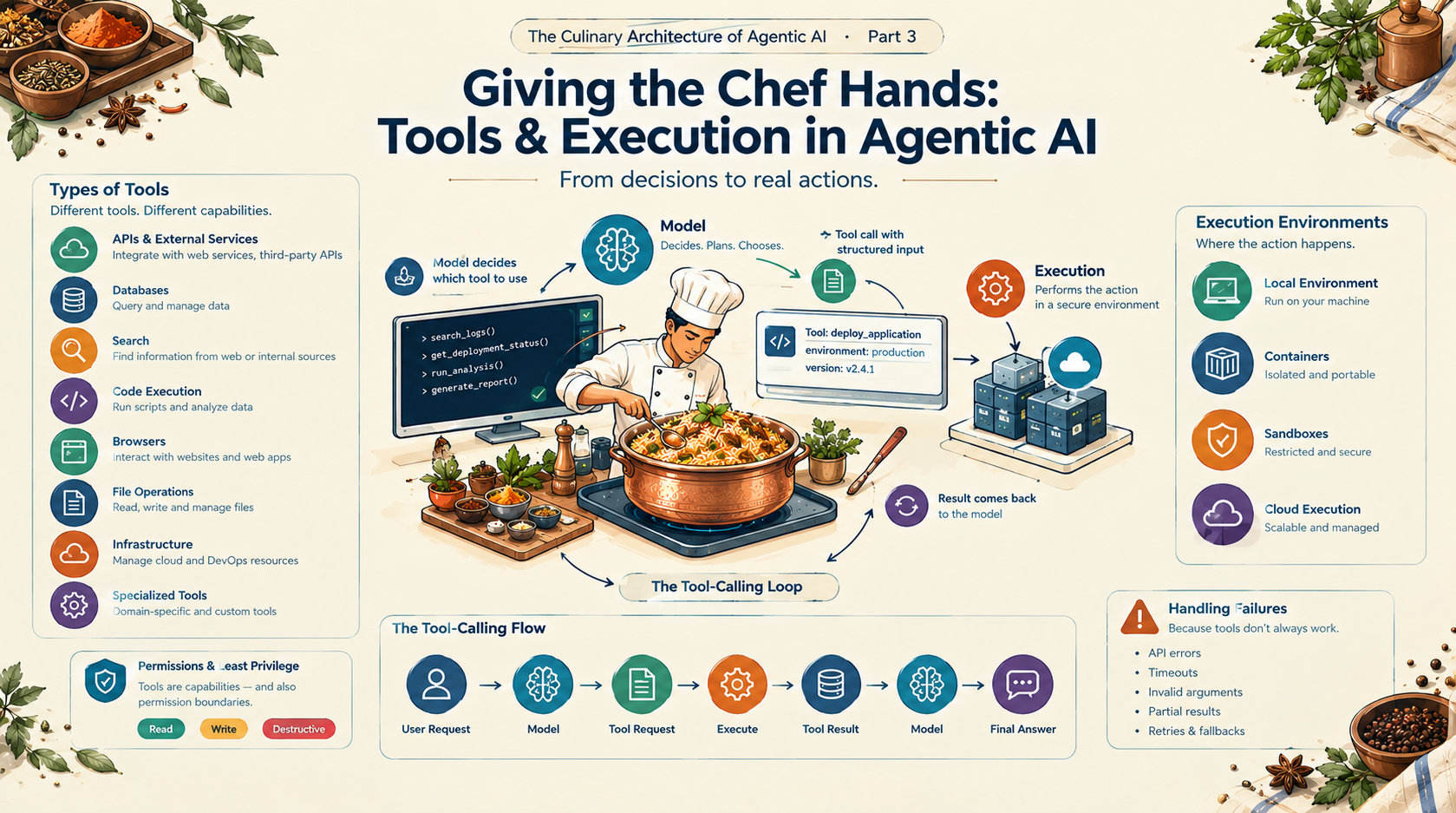
Agent = Brain (LLM) + Tools (APIs) + Memory + Planning Logic
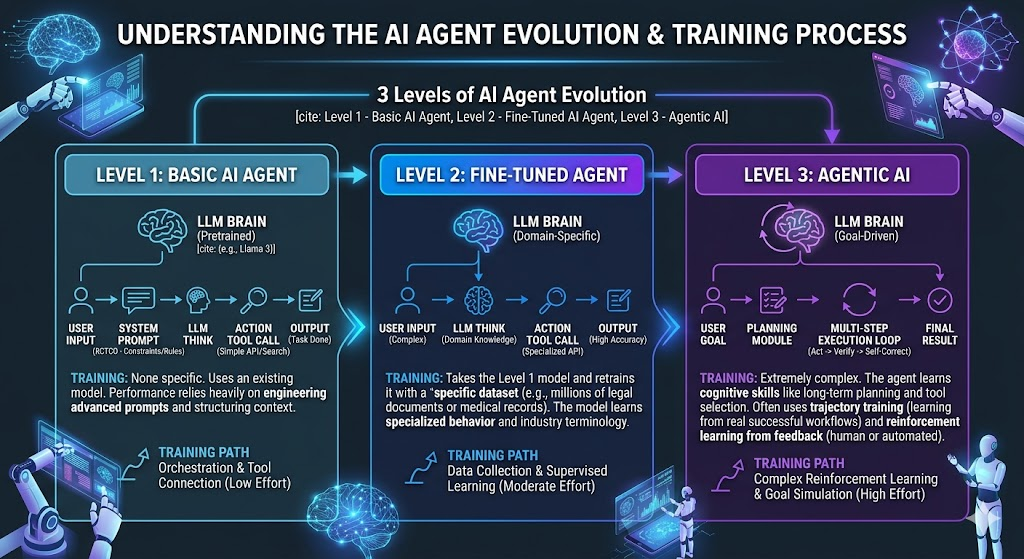
4. The 3 Levels of Evolution
| Level | Type | Key Capability |
|---|---|---|
| Level 1 | Basic AI Agent | Uses tools to perform simple, single-step tasks. |
| Level 2 | Fine-Tuned Agent | Specialized behavior trained on domain-specific data (e.g., Legal or Medical AI). |
| Level 3 | Agentic AI | Fully autonomous planning, reasoning, and self-correction. |
5. The Real-World Analogy
AI Agent = Junior Employee: They can do assigned tasks and follow instructions, but they need constant supervision.
Agentic AI = Senior SRE: They take ownership of a goal. They plan the work, coordinate the tasks, and recover from errors independently.
Conclusion
AI Agent and Agentic AI are not unrelated technologies; they are different maturity levels. An agent becomes "Agentic" the moment you add planning, memory, and the ability to self-correct.
Stay tuned to know the process of training these AI agents and how they transform into Agentic AI.
About the author
- I’m an engineer who enjoys turning messy engineering problems into simple, practical solutions. My work sits across AI automation, DevOps, SRE, cloud infrastructure, and developer experience. I like understanding why something is painful, finding ways to make it better, and building tools or workflows that reduce repetitive work and improve how developers operate. I write about the problems I encounter, the things I build, what I learn, and the ideas shaping modern engineering - from AI-assisted development and agentic systems to cloud automation, reliability, and developer tooling. I’m especially interested in the space where engineering, automation, and people meet - building useful technology and communicating it clearly.
Comments
Join the discussionNo comments yet. Be the first to comment.